Embarking on an underwater journey can be one of the most exhilarating and transformative experiences. The silent world beneath the waves holds wonders that seem almost otherworldly. As humans, we are naturally not able to breathe underwater, but thanks to diving gear and scuba training, we can temporarily join the profound and mysterious life that thrives beneath the surface. In this article, we dive into an ocean of wonder, exploring the best dive sites that beckon to teens and adults alike, revealing hidden treasures of marine life and captivating underwater landscapes.
Diving is not just a sport; it’s a doorway to exploring a vast, uncharted territory. For teens and adults seeking thrills or tranquility, each breath taken underwater brings them closer to understanding the complexities and beauty of our planet’s blue heart. Whether you’re a novice looking to get your fins wet or a seasoned diver searching for your next big adventure, there’s a dive site that promises to leave you in awe.
Before we descend into the deep, let’s dip our toes into what makes a dive site exceptional for teens and beyond. Safety, marine biodiversity, clarity of water, and accessibility are crucial factors. With these in mind, we will guide you through a curated list of over 23 dive sites, perfect for every level and offering a spectacular underwater experience.
Dive Sites 101: A Primer on Aquatic Sanctuaries
Prior to outlining specific sites, it’s imperative to comprehend what qualifies as a premier diving destination. Here are the fundamental attributes that make a dive site especially inviting:
- Safety: Well-established safety protocols and clear guidelines.
- Marine Life: An abundance of sea creatures and coral ecosystems.
- Visibility: Clear waters enhancing the viewing experience.
- Accessibility: Ease of reaching and diving the site, regardless of skill level.
Guided by these standards, the following are the dive sites we have scrutinized to inspire your next aquatic escapade.
For Beginners: Serene Shallow Reefs and Sunken Treasures
-
The Great Barrier Reef, Australia
- Safety: Patrolled by dive operators adhering to strict regulations.
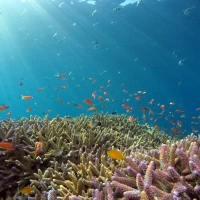
- Marine Life: Over 1,500 species of fish and 400 types of coral.
- Visibility: Up to 30 meters in good conditions.
- Accessibility: Tours available for all skill levels, offering introductory dives and advanced certifications.
-
The USAT Liberty, Bali, Indonesia
- Safety: Clear guidelines for navigation around the wreck.
- Marine Life: Home to over 400 species of reef fish.
- Visibility: Generally between 20 and 30 meters.
- Accessibility: Shore dive with depths ranging from 5 to 30 meters, suitable for beginners.
For Intermediate Explorers: The Next Step into the Abyss
-
Blue Corner Wall, Palau
- Safety: Strong currents require careful planning, but local guides are experienced.
- Marine Life: Sharks, rays, and schools of fish are commonplace.
- Visibility: Can exceed 40 meters on a good day.
- Accessibility: Currents make this more suited for those with some diving experience.
-
SS Thistlegorm, Red Sea, Egypt
- Safety: Depth and potential currents necessitate some experience.
- Marine Life: Surrounding reefs and the wreck itself are teeming with life.
- Visibility: Typically 20-30 meters, depending on conditions.
- Accessibility: Boat dive that is perfect for advanced open water divers.
For The Bold: Advanced Dives into the Marine Wilderness
-
Barracuda Point, Sipadan Island, Malaysia
- Safety: Requires awareness due to occasional strong currents.
- Marine Life: Barracudas, hammerhead sharks, and turtles.
- Visibility: Up to 40 meters in crystal clear waters.
- Accessibility: Limited access due to conservation efforts, but well worth the wait for experienced divers.
-
The Blue Hole, Belize
- Safety: Its depth demands respect and proper certification.
- Marine Life: Not as rich in life as others, but the stalactites and sheer drop-offs are breathtaking.
- Visibility: Varies, can be reduced inside the hole due to lower light.
- Accessibility: Best for technical divers with deep and cavern diving experience.
Worldwide Wonders: A Tour of the Best Dive Sites on the Globe
Diving is a global affair, with every continent boasting its own underwater marvels. Here’s a comprehensive look at the world-class sites that deliver extraordinary experiences:
The Americas
- Cenote Dos Ojos, Mexico: Freshwater diving in a limestone cave system with stunning light effects.
- Silfra Fissure, Iceland: The only place where you can dive between two continental plates.
Europe
- Lofoten Islands, Norway: Arctic diving with a chance to behold the aurora borealis from below the surface.
- Medes Islands, Spain: A protected marine reserve with diverse aquatic habitats.
Asia
- Raja Ampat, Indonesia: Known for its spectacular biodiversity and vibrant coral gardens.
- Tubbataha Reefs Natural Park, Philippines: A UNESCO World Heritage site with pristine coral reefs.
Africa
- Shark and Ray Alley, Belize: An adrenaline-pumping spot where divers can interact with nurse sharks and stingrays.
- Aliwal Shoal, South Africa: Famous for ragged-tooth shark sightings during their mating season.
Oceania
- Maaya Thila, Maldives: A pinnacle reef that is a hot spot for white tip reef sharks and large pelagics.
- Poor Knights Islands, New Zealand: Subtropical diving with a rich Maori history and unique underwater topography.
Deep Dive Details: What Makes These Sites Stand Out
The diver’s mantra is to look but not touch; to be an observer and not a disruptor. The same goes for selecting dive sites; it’s essential to choose locations that are not only spectacular but also committed to conservation and sustainability.
The Role of Marine Sanctuaries and Conservation Efforts
Many of the sites listed are part of marine sanctuaries or protected areas which help ensure the ongoing health and longevity of these ecosystems. Programs that limit the number of divers, regulate fishing activities, and fund research and rehabilitation projects are pivotal when considering your diving destination. For instance, the aforementioned Sipadan Island allocates a fixed number of dive permits per day to minimize human impact.
The Impact of Climate and Season on Diving Conditions
The time of year can dramatically alter the diving conditions at any given site. Seasons affect water temperature, visibility, and which marine life is prevalent. In some areas, seasonal migrations bring in the big marine animals, while in others, you might be better off enjoying the colorful corals and smaller sea dwellers. Always check beforehand to maximize your experience.
Gear Up: What You Need to Dive These Incredible Sites
Before immersing yourself in these aquatic wonderlands, proper gear is non-negotiable.
- Diving suit: Select according to water temperature and your comfort level.
- SCUBA gear: Includes a regulator, tank, buoyancy compensator, and gauges.
- Fins and mask: For maneuverability and clear vision underwater.
- Dive computer: Essential for monitoring dive time and depth safely.
The Importance of a Reliable Dive Operator
Choosing a reputable dive operator is as crucial as the gear you wear. Not only do they provide valuable site knowledge and logistical support, but they also offer rental equipment, guides, and oftentimes, transportation to remote dive sites.
Comparison Chart: Diving Suit Features for Different Climates
Here’s a brief comparison of diving suit types suitable for different water temperatures:
| Type | Thickness | Water Temperature | Suitability |
|---|---|---|---|
| Shorty | 2-3mm | 24°C and above | Warm water, brief dives, or swimming near the surface |
| Full suit | 3-5mm | 18-24°C | Moderate water temperatures, versatile |
| Semi-dry | 5-7mm | 10-18°C | Cooler waters, with seals to minimize water entry |
| Dry suit | Varies | Below 10°C | Very cold water, traps a layer of air for insulation |