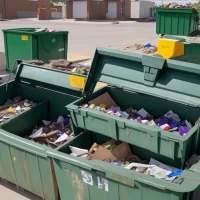
With the rising trend of frugal living and the thrill of uncovering hidden treasures, dumpster diving has become a popular activity among bargain hunters and environmentalists alike. However, in Virginia, the legality of dumpster diving is a complex topic that requires a nuanced understanding of local laws and regulations. Whether you’re a seasoned pro or just curious about exploring this unique hobby, it’s essential to comprehend the intricacies of what is and isn’t allowed. In this comprehensive guide, we delve into the legalities of dumpster diving in Virginia, best practices for those looking to dive responsibly, and tactics to ensure your treasure-hunting adventures remain within the confines of the law.
Understanding Dumpster Diving in Virginia
Dumpster diving, also known as skip searching or binning, is the act of searching through commercial or residential trash containers to find items that can be repurposed or reused. While some view it as a viable means to reduce waste and save money, others see it as a questionable activity with potential legal and ethical implications.
Is Dumpster Diving Illegal in VA?
In Virginia, dumpster diving is not explicitly prohibited by state laws. However, local ordinances and property laws can significantly impact whether or not it’s legal in specific areas. Trespassing charges may be applicable if a diver accesses a dumpster on private property Dive with Confidence tipsout permission, making it crucial to understand and respect property boundaries.
Legality:
- Lack of state law explicitly banning dumpster diving
- Possibility of trespassing charges
- Importance of respecting private property
Navigating Local Laws and Regulations
To understand the full scope of legality, it’s essential to look into local county or city ordinances that may have their own rules regarding trash collection and disposal. Some areas may have restrictions that can affect how and when dumpster old diving suit is permitted, if at all.
Local Considerations:
- Checking city and county ordinances
- Nuances in laws that may vary between regions
- Penalties for not adhering to local regulations
Best Practices for Dumpster Diving in Virginia
Engaging in dumpster mauritius underwater waterfall diving with a clear conscience and within the boundaries of the law requires adherence to a set of best practices. By following these guidelines, divers can minimize legal risks and promote ethical conduct.
Seeking Permission
Obtaining explicit permission from property owners or tenants can help avoid trespassing issues. Always approach with politeness and respect, and be prepared to leave immediately if Why can’t you fly after scuba diving?r presence is not welcome.
Seeking Permission Tips:
- Approach with kindness and understanding
- Be clear about intentions
- Accept rejection gracefully
Ensuring Safety and Cleanliness
The importance of safety when dumpster diving cannot be overstated. It’s imperative to wear protective clothing, avoid hazardous materials, and leave the area cleaner than you found it beauty and the beast svg.
Safety Measures:
- Wear gloves and sturdy shoes
- Avoid sharp objects and hazardous waste
- Clean up after searching
Virginia’s Dumpster Diving Hotspots: Where to Look
Virginia offers a variety of locations where dumpster diving can be fruitful. From thriving urban centers with retail stores and apartment complexes to suburban areas boasting a plethora of potential diving sites, here’s a rundown of the types of places to consider:
Retail Outlet Areas
Retail stores often discard merchandise that is slightly damaged, out of season, or overstocked. Diving in these areas can yield an array of goods, from clothing to electronics.
Types of Retail Outlets:
- Clothing stores
- Electronic outlets
- Furniture shops
Residential Communities
Post-move-out periods in apartment complexes can be a jackpot for dumpster divers as residents often discard usable items they no longer need or have room for during relocation.
College and University Campuses
End of semesters and especially graduation periods are prime times when students throw out reusable items as they pack up to leave campus.
The Ethical Dimension of Dumpster Diving
While dumpster diving can be a way to reduce waste and save money, it raises some ethical concerns. Divers should always consider the environmental impact of their actions and strive to be part of the solution rather than the problem.
Environmental Responsibility
Dumpster divers play a critical role in waste reduction by repurposing discarded items. Nevertheless, divers should be mindful of the type and amount of waste they disturb, aiming to leave a positive ecological footprint.
Environmental Considerations:
- Reducing waste through reuse
- Disturbing only what is necessary
- Making ecologically sound choices
Community Perception
The way dumpster diving is perceived by the community can have a significant impact on its acceptance. Maintaining a respectful and lawful approach can help improve the activity’s image and ensure it is seen in a constructive light.
Legal Considerations and Dumpster Diving Etiquette
While dumpster diving can be an exciting and fruitful endeavor, it comes with a responsibility to act respectfully and legally. The following tips outline appropriate behavior and considerations for staying within the law.
Trespassing Concerns
Always be aware of your surroundings and respect “No Trespassing” signs or locked dumpsters, as ignoring these warnings can lead to criminal charges.
Legal Risks and Mitigation Strategies
Respect Boundaries:
- Avoid locked areas
- Heed signage
- Stay away from residential trash on private property
Liaise with Authorities:
- Know your rights
- Canvass local laws
- Communicate with law enforcement if approached
Sanitation and Public Health
Public health regulations may come into play when diving into dumpsters, especially if there’s a risk of spreading contamination or if you are recovering food items.
Health and Sanitation Measures
Avoid Contaminated Goods:
- Inspect items for spoilage or contamination
- Practice proper hygiene
- Dispose of dangerous items responsibly
The Pros and Cons of Dumpster Diving in Virginia
To fully appreciate the complexities of dumpster diving in VA, it is beneficial to evaluate both the positive and negative aspects of the practice.
Pros:
- Access to free goods and materials
- Contribution to environmental sustainability
- Community engagement and social interaction
Cons:
- Legal ambiguities and potential trespassing issues
- Safety risks and hygiene concerns
- Negative societal stigma
Charting Your Course: A Dumpster Diving Checklist for Virginian Enthusiasts
Before embarking on a dumpster diving adventure, here’s a comprehensive checklist to ensure a successful and legal experience:
- Research Local Laws: Arm yourself with knowledge about relevant local ordinances and regulations to prevent any legal mishaps.
- Scout Locations: Identify potential locations for diving, keeping an eye out for public access and low risk of trespassing.
- Prepare Gear: Don your protective clothing, gloves, and other necessary gear for a safe expedition.
- Plan Timing: Optimize your diving sessions for times when businesses or communities are most likely to discard valuable items, while abiding by any time restrictions in local laws.
- Remain Ethical: Always prioritize sustainability, leave places cleaner than you found them, and consider the potential impact of your actions on the community and environment.
Essential Gear Checklist:
- Protective gloves
- Durable footwear
- Flashlight or headlamp
- Sanitizing wipes or hand sanitizer
- Grabbing tool or stick (for hard-to-reach items)
In Depth: Navigating the Legalities and Morals of Dumpster Diving in VA
As we explore the quintessence of dumpster diving in Virginia, we uncover a world that balances on the thin line between legality and social responsibility. By diligently adhering to the frameworks established by state and local laws, while fostering a community-centric approach to environmental stewardship, dumpster diving can be an enriching endeavor for individuals and society alike. The key is to always remain informed, considerate, and conscientious of the diverse facets that encompass this complex activity.
Conclusion: The Future of Dumpster Diving in Virginia
Dumpster diving in Virginia encapsulates a fascinating blend of legal navigation, environmentally conscious living, and societal dynamics. As attitudes continue to evolve and laws adjust to reflect changing times, the future of dumpster diving in the Commonwealth remains a captivating topic. For those who approach it with respect for the law and regard for ethical practice, dumpster diving can be a rewarding experience, ultimately contributing to a more sustainable and environmentally friendly Virginia.