The world beneath the surface of the ocean has long fascinated adventurers and explorers. Diving, a thrilling and awe-inspiring activity, allows individuals to delve into the mysteries and marvels of the deep. From exploring underwater caves to encountering vibrant marine life, diving offers a unique perspective and an unparalleled sense of adventure. In this article, we will take you on an epic journey of ocean exploration, delving into the depths and ascending to new heights. Join us as we uncover the wonders of diving and the exhilarating experiences it offers.
The Thrill of Exploring Underwater Realms
Discovering Hidden Wonders
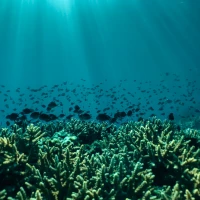
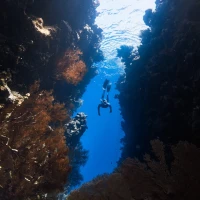
When you immerse yourself underwater, a whole new world comes to life. The silence of the depths envelops you as you embark on a journey through an ethereal realm. The vibrant colors of coral reefs, the graceful movements of marine creatures, and the tranquility of underwater caves create an enchanting experience that is truly unforgettable.
Unveiling Historical Mysteries
There are numerous shipwrecks and archaeological sites scattered throughout the world’s oceans. Exploring these historical artifacts allows divers to connect Adventure Awaits with 23+ Free Diving the past and unravel the mysteries of civilizations that lie submerged beneath the waves. From ancient amphorae to sunken warships, each dive offers a glimpse into a bygone era, allowing divers to become part of history.
Embracing Nature’s Magnificence
Diving offers a unique perspective on the incredible diversity of marine life. Every dive introduces you to a plethora of creatures, from colorful tropical fish to majestic marine mammals ordway theater beauty and the beast tickets. The opportunity to witness these mesmerizing creatures in their natural habitat is humbling and inspiring. From encounters with gentle sea turtles to swimming alongside magnificent whale sharks, diving allows you to forge a deep connection with the natural world.
Preparing for the Dive
Obtaining Proper Training and Certification
Before venturing into the depths, it’s essential to undergo professional training and obtain the necessary certifications. Taking a certified diving course equips you with the knowledge and skills required to dive safely and responsibly. Organizations such as the Professional Association of Diving Instructors (PADI) offer comprehensive training programs that cover essential topics such as dive theory, equipment usage, and emergency procedures. By enrolling in these courses, you ensure that every dive you undertake is a safe and enjoyable experience.
Acquiring Suitable Gear and Equipment
Diving requires specialized equipment to ensure your safety and comfort while underwater. A fundamental component of a diver’s gear is a well-fitted wetsuit or drysuit, depending on the water temperature. These insulating garments keep the body temperature regulated and protect against the elements. Additionally, a buoyancy control device (BCD), dive mask, fins, and a weight system are essential for maintaining stability and maneuverability underwater. Investing in high-quality gear is essential for a successful diving experience.
Planning the Dive
Proper dive planning is crucial to maximize safety and enjoyment. Factors such as the dive site, current conditions, and the experience level of the divers should be considered before embarking on a dive. Conducting research on the chosen location, including its depth, visibility, and potential hazards, is essential in creating a well-informed dive plan. Furthermore, communicating with fellow divers and considering their preferences and limitations contributes to a smooth and coordinated diving experience.
Exploring the Depths: Types of Diving
Recreational Diving
Recreational diving is the most common form of diving, catering to individuals seeking adventure and exploration. It encompasses various types of dives, including shore dives, boat dives, and night dives. Each dive offers unique opportunities to discover different underwater landscapes and marine life. Recreational divers generally explore depths of up to 30 meters (100 feet) and adhere to safe diving practices.
Technical Diving
Technical diving is an advanced form of diving that involves diving beyond the limits of recreational diving. It requires specialized training and equipment to explore greater depths and stay underwater for extended periods. Technical divers frequently explore caves, deep wrecks, and other challenging environments. With the use of breathing mixtures such as nitrox and trimix, technical divers can safely explore the ocean’s depths and encounter rare and unique dive sites.
Cave Diving
Cave diving is an adrenaline-fueled and technically demanding form of diving. It involves exploring submerged cave systems, where divers maneuver through narrow passages and intricate tunnels. Cave divers face unique challenges and must possess advanced training, specialized equipment, and excellent navigational skills. The allure of cave diving lies in the breathtaking beauty of these hidden underwater landscapes, illuminated by the ethereal glow of natural light.
Underwater Photography and Videography
Underwater photography and videography have become increasingly popular among divers. Using specialized underwater camera equipment, divers can capture the beauty and magnificence of the underwater world. From macro shots of tiny sea creatures to wide-angle shots of coral reefs, underwater photographers document the wonders they encounter during their dives. Underwater videography allows divers to create immersive films that transport viewers into the depths, showcasing the enchantment of the underwater realm.
Safety Considerations for Divers
Dive Planning and Execution
Dive planning and execution play vital roles in ensuring the safety of divers. Before each dive, it is crucial to assess factors such as weather conditions, underwater visibility, and the experience level of the divers. Developing a comprehensive dive plan, including predetermined depth and time limits, provides a structured approach to diving. During the dive, proper communication, maintaining proper buoyancy control, and regular monitoring of air supply are imperative for safe underwater exploration.
Proper Equipment Usage
Using well-maintained and properly functioning equipment is essential for diver safety. Regularly inspecting gear, including regulator systems, BCDs, and dive computers, helps identify potential issues before they jeopardize a dive. Divers should also ensure that all equipment is properly fitted to ensure optimal performance and comfort underwater. Additionally, having access to necessary safety equipment, such as dive knives, dive lights, and surface signaling devices, adds an extra layer of preparedness for any unforeseen circumstances.
Buddy System and Communication
The buddy system is a fundamental aspect of diving safety. Diving with a buddy ensures that there is someone available to assist in case of emergencies or unexpected situations. Establishing clear communication signals and practicing them before the dive enhances diver safety and allows for efficient communication underwater. Regularly checking in with your buddy and maintaining visual contact while diving further enhances the overall safety of the dive.
Diving within One’s Limits
Respecting personal limits and diving within one’s certified capabilities is essential for diver safety. Pushing beyond one’s experience level and physical abilities increases the risk of accidents and injuries. Understanding and managing factors such as fatigue, physical fitness, and psychological comfort contribute to successful and safe diving experiences. Continuous training and skill development allow divers to progressively explore more challenging dive sites and environments while ensuring their safety.
The Future of Diving and Ocean Exploration
As technology evolves and our understanding of the ocean deepens, the future of diving and ocean exploration holds immense potential. With advancements in underwater robotics, divers can now explore depths and environments previously inaccessible to humans. These remotely operated vehicles (ROVs) and autonomous underwater vehicles (AUVs) capture high-resolution images and videos, providing scientists and researchers with valuable insights into unexplored areas of the oceans.
Furthermore, ongoing efforts to conserve and protect our marine ecosystems are essential for the longevity of diving and ocean exploration. Sustainable practices, such as responsible diving and the establishment of marine protected areas, ensure that future generations can continue to experience the wonders of the underwater world. By raising awareness about the importance of ocean conservation, divers play a crucial role in protecting these fragile ecosystems.
Conclusion
Diving offers a captivating journey from the depths to the heights, allowing us to explore the mysteries and wonders of the underwater world. From discovering hidden treasures to unveiling historical artifacts, diving provides a unique opportunity to embark on an epic adventure. By preparing adequately, adhering to safety protocols, and respecting the marine environment, divers can experience the thrill of diving while ensuring their safety and the preservation of the ocean’s beauty. So pack your gear, dive into the deep blue, and embark on an unforgettable journey of ocean exploration. The underwater realm awaits your discovery.