Are you ready to embark on an exciting adventure that takes you beneath the surface of the ocean? Dive into the world of marine wildlife encounters, where you can get up close and personal with fascinating creatures and explore the wonders of the underwater realm. Whether you are an experienced diver or a beginner, there are endless opportunities to discover the extraordinary beauty and diversity of marine life. In this article, we will explore the enchanting world of diving and how it allows us to connect with the ocean’s inhabitants.
The Thrill of Diving
Discovering a Hidden World
Imagine descending into the depths of the ocean, leaving behind the noise and chaos of the surface world. As you submerge, a sense of tranquility washes over you, and you become fully immersed in a whole new environment. The underwater world is teeming with life, from vibrant coral reefs to mysterious shipwrecks. The thrill of diving lies in the opportunity to explore this hidden world and witness marine life in its natural habitat.
A Window to Marine Life
Diving opens a window to a world few people have the chance to witness. It allows us to observe marine life up close and personal, gaining insights into their behavior and interactions. From graceful sea turtles gliding through the water to majestic manta rays soaring through the depths, there is no shortage of awe-inspiring encounters to be had underwater. By diving, we can learn about different species, their roles in the ecosystem, and the challenges they face in an ever-changing environment.
Creating Lasting Memories
Each dive is a unique experience that leaves a lasting impression. Whether it’s encountering a curious pod of dolphins, swimming alongside gentle whale sharks, or witnessing a colorful coral reef bustling with fish, these moments become cherished memories. The beauty of diving is that it allows us to create a personal connection with marine life and the ocean itself. These encounters inspire a deep appreciation for the natural world and motivate us to become better stewards of the marine environment.
Choosing the Right Dive Destination
Exploring Vibrant Coral Reefs in the Maldives
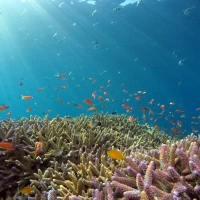
If you dream of diving in crystal clear waters surrounded by stunning coral reefs, the Maldives is the perfect destination for you. This tropical paradise in the Indian Ocean is renowned for its breathtaking underwater scenery and abundant marine life. The Maldives offers dive sites suitable for divers of all levels, from beginners to experienced enthusiasts. Dive into warm waters and discover vibrant coral gardens, where you can encounter colorful reef fish, sea turtles, and even reef sharks.
Encountering Whale Sharks in the Philippines
For thrill-seekers and marine wildlife enthusiasts, the Philippines is a must-visit destination. The country is home to several areas where you can encounter the largest fish in the ocean, the whale shark. Dive sites such as Donsol and Oslob provide unique opportunities to swim with these gentle giants in their natural habitat. It is an awe-inspiring experience to be in the presence of these massive creatures as they gracefully glide through the water. The Philippines also offers a diverse range of marine ecosystems, including coral reefs, underwater caves, and vibrant marine sanctuaries.
Witnessing the Great Migration in Mozambique
If you’re seeking an unforgettable diving experience, Mozambique should be on your list. This East African country is famous for its encounters with manta rays and whale sharks, but it also offers something truly extraordinary – the annual migration of humpback whales. Between June and November, humpback whales migrate along the Mozambican coastline, providing divers with the opportunity to witness their majestic displays of breaching and tail-slapping. This natural spectacle is a testament to the wonders of marine life and the importance of conservation efforts.
Exploring Underwater Wrecks in the Red Sea
For history buffs and adventure seekers, the Red Sea is a treasure trove of underwater wrecks waiting to be explored. This body of water between Africa and Asia is home to countless sunken ships, some dating back centuries. Diving in the Red Sea allows you to go back in time and uncover the stories behind these wrecks. From World War II relics to ancient merchant vessels, each wreck has its own fascinating history. The Red Sea also boasts vibrant coral reefs and an abundance of marine life, making it a well-rounded destination for divers.
Diving Training and Equipment
Getting Certified as a Diver
Before you can embark on your underwater adventures, it’s important to get certified as a diver. There are various scuba diving organizations that offer certification programs, such as PADI (Professional Association of Diving Instructors) and SSI (Scuba Schools International). These programs typically involve a combination of theory lessons, pool training, and open water dives. By completing a certification course, you will learn essential skills, safety procedures, and dive planning techniques that will enable you to dive confidently and responsibly.
Essential Diving Equipment
To ensure a safe and enjoyable diving experience, it is crucial to have the right equipment. Here are some essential items that every diver should have:
-
Mask: A properly fitting mask allows you to see clearly underwater and protects your eyes from saltwater.
-
Snorkel: A snorkel enables you to breathe at the surface without having to remove your regulator.
-
Fins: Fins enhance your mobility underwater, allowing you to swim efficiently and conserve energy.
-
Regulator: This device allows you to breathe from your scuba tank by reducing the high-pressure air to ambient pressure.
-
Buoyancy Control Device (BCD): A BCD helps you control your buoyancy underwater by adjusting the amount of air in the jacket.
-
Dive Computer: A dive computer tracks important information such as depth, bottom time, and decompression limits, ensuring your safety during dives.
-
Wetsuit or Drysuit: Depending on the water temperature, you may need a wetsuit or drysuit to protect yourself from cold temperatures and UV exposure.
-
Dive Light: A dive light is essential for exploring underwater caves, wrecks, and crevices, allowing you to see clearly in dark environments.
-
Surface Marker Buoy (SMB): An SMB is a buoy that divers use to signal their location at the surface, especially during drift dives or when ascending.
It is important to invest in high-quality equipment and ensure that it is properly maintained to prevent any malfunctions or accidents during dives. Regular servicing and inspections are necessary to keep your gear in excellent condition.
Responsible Diving and Conservation
The Impact of Diving on Marine Life
While diving offers unparalleled opportunities to connect with marine life, it is crucial to be mindful of our impact on the underwater ecosystem. Here are some key factors to consider when diving:
-
Buoyancy Control: Maintaining good buoyancy control helps prevent accidental damage to coral reefs and other fragile marine organisms. Avoid touching or standing on the reef, as these actions can harm the delicate coral and disrupt its growth.
-
Safe Distance: When observing marine animals, give them plenty of space and avoid approaching too closely. Touching or chasing after marine life can cause stress and potentially harm the animals.
-
Responsible Photography: If you enjoy underwater photography, be sure to practice responsible techniques. Avoid using flash when photographing marine life, as it can disturb sensitive species and affect their behavior. Be mindful of your position and respect the natural behavior of the animals.
-
Leave No Trace: Always remember the “Leave No Trace” principle. Do not litter or leave any waste behind. Properly dispose of any trash you encounter during your dives, and be an advocate for marine conservation.
Supporting Conservation Efforts
As divers, we have a responsibility to protect and preserve the marine environment. There are several ways you can contribute to conservation efforts:
-
Participate in Clean-up Initiatives: Join local dive centers or organizations in underwater clean-up activities. These initiatives help remove debris from dive sites and prevent marine animals from getting entangled or ingesting harmful materials.
-
Support Marine Conservation Organizations: Many non-profit organizations work tirelessly to protect marine ecosystems and advocate for sustainable diving practices. Consider donating to or volunteering with these organizations to support their valuable work.
-
Choose Responsible Dive Operators: When planning dive trips, opt for dive operators that prioritize sustainable practices and actively contribute to conservation efforts. Research their environmental policies and certifications to ensure they align with your values.
-
Educate Others: Share your knowledge and experiences with others to raise awareness about the importance of marine conservation. Encourage responsible diving practices and inspire others to take action for the oceans.
By taking these steps, we can ensure that future generations can also enjoy the wonders of the underwater world and appreciate its beauty.
Conclusion
Diving offers an unparalleled opportunity to connect with the ocean and its inhabitants. From swimming alongside majestic marine creatures to exploring vibrant coral reefs and underwater wrecks, the world of marine wildlife encounters is a fascinating and captivating realm. By choosing the right dive destinations, acquiring the necessary training and equipment, and practicing responsible diving, we can explore this hidden world while also contributing to its conservation. So, gear up, take a deep breath, and dive into the wonders that await beneath the surface. The ocean is calling, and it’s time to answer its invitation!