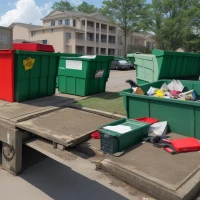
In the heartland of Southern charm lies a pursuit that many might find peculiar, yet for others, it’s a treasure hunt rooted in our consumer culture’s shadows. Dumpster diving, a term that conjures images of individuals rummaging through trash receptacles in search of usable items, is more than a mere act of scavenging; it’s a nuanced exploration of sustainability, law, and frugality. But the burning question for many Alabamians and curious minds remains: Is dumpster diving illegal in Alabama?
Alabama, a state known for its rich cultural heritage and expanses of unspoiled natural beauty, is also a place where the legality of dumpster diving captures the interests of environmental enthusiasts, thrifty individuals, and those looking to uncover the hidden gems often tossed away. As we embark on this journey through the back alleys and commercial wastelands, we aim not only to explore the buried treasures that can be found, but also to navigate the patchwork of regulations that govern this unique activity.
The Enigmatic World of Dumpster Diving in the Heart of Dixie
What is Dumpster Diving?
At its core, dumpster diving accident involves the act of searching through dumpsters or commercial garbage bins to find items that are still useful or can be repurposed. The motivations for this activity are diverse and cover a spectrum from environmental conservation—aimed at reducing waste and giving new life to discarded goods—to personal gain in the form of finding valuable items without a price tag.
The Legal Landscape of Dumpster Diving in Alabama
In Alabama, there is no statewide statute explicitly prohibiting dumpster sky diving cartoon, making it a prime landscape for divers to explore. However, this activity teeters on a precarious legal edge, with various municipal ordinances and property laws coming into play. This means that while dumpster diving may not be illegal statewide, certain cities or counties might have their own regulations restricting the practice, making it imperative for dumpster divers to familiarize themselves with local laws.
Understanding Trespassing Laws in Relation to Dumpster Diving
When considering the legality of dumpster crossword diving bird, one must be acutely aware of trespassing laws. Trespassing occurs when an individual enters another’s property without permission, and dumpsters located on private property, such as behind stores or within gated areas, may fall under this jurisdiction. As such, it’s critical for divers to ensure they have the property owner’s consent or to clearly understand where public space ends and private property begins.
Avoiding Legal Snags: Pitfalls to Keep in Mind
- Private vs. Public Property: Always determine if the dumpster is on private or public property; unauthorized entry onto private grounds may lead to trespassing charges.
- No Trespassing Signs: Be on the lookout for and adhere to any visible “No Trespassing” or “Private Property” signs, as ignoring these can result in legal repercussions.
- Locked Bins and Fencing: A locked dumpster or one behind a fence is generally a clear indicator of the property owner’s intent to restrict access, and attempting to circumvent these barriers can be construed as trespassing.
Navigating Municipal Regulations and Codes
While Alabama may not have a statewide law directly addressing dumpster diving, many municipalities enact ordinances that can impact the permissibility of diving in certain areas. It is essential to conduct thorough research or to contact local government offices to gain clarity on local regulations prior to diving in.
Cities with Known Ordinances
- Birmingham: Known for its stringent health and safety codes, Birmingham may have specific ordinances that restrict rummaging through waste containers, primarily for public safety reasons.
- Montgomery: The capital city may enforce particular sanitation or public nuisance laws that can indirectly affect dumpster diving activities.
Dumpster Diving and Law Enforcement
It is not uncommon for divers to have interactions with law enforcement, especially if there is suspicion of illegal activity such as trespassing or theft. Always cooperate with authorities and be ready to explain your actions in a civil manner. Providing evidence that you’re scavenging legally can help alleviate any concerns they may have.
The Ethical and Environmental Considerations of Dumpster Diving
While the legality of dumpster diving split face is a vital discussion, the practice also presents significant ethical and environmental considerations. As society grapples with increasing waste and consumerism, dumpster diving emerges as a method of waste reduction and a statement against overconsumption.
Environmental Impact and Sustainability
- Reduction of Waste: By salvaging items that would otherwise end up in landfills, dumpster divers play a role in reducing the amount of waste generated.
- Recycling and Upcycling: Divers often recycle or upcycle items they find, transforming discarded products into something new and functional.
- Awareness and Advocacy: The visibility of dumpster divers can raise awareness about the volume of waste produced and promote discussions on sustainable living.
Ethical Questions and the Stigma of Dumpster Diving
While some view dumpster diving as a practical response to wastefulness, others may see it as a questionable activity associated with poverty or desperation. Dissecting the stigma and understanding the ethical underpinnings of this practice can foster a more nuanced conversation about consumption and resource use.
Tips for Safe and Responsible Dumpster Diving
For those considering embarking on a dumpster diving expedition in Alabama, it is critical to approach the activity with a sense of responsibility and consideration for safety:
- Always wear protective gloves and sturdy footwear to prevent injuries from sharp or hazardous materials.
- Bring a flashlight or headlamp for visibility, especially when diving in the early morning or evening hours.
- Be mindful of sanitation; avoid items that could pose health risks, such as perishable foods or contaminated products.
- Respect the property and space around dumpsters; leave the area cleaner than you found it to maintain a positive image of the diving community.
The Treasure Hunter’s Toolkit: What to Bring on Your Dive
Being prepared with the right tools can make the difference between a fruitful dive and a wasted trip. Consider packing the following items:
- A grabber or reaching tool: to access hard-to-reach items without fully entering the dumpster.
- Boxes or bags: for organizing and transporting your finds.
- Sanitizer and cleaning wipes: to clean items on the spot and maintain hygiene.
Final Thoughts: Is Dumpster Diving Worth the Dive in Alabama?
The act of dumpster diving in Alabama sits at the intersection of legality, ethics, and sustainability. While is dumpster diving illegal in Alabama may not yield a definitive statewide answer, it’s a practice governed by a patchwork of local laws and heavily influenced by personal discretion and responsibility.
Whether as a means to an environmentally conscious lifestyle, a hobby, or a necessity, dumpster diving can offer a glimpse into society’s consumption patterns and provide an alternative perspective on value. As with any such pursuit, staying informed, cautious, and respectful is paramount.
In conclusion, Alabama’s hidden gems can indeed be found in the most unexpected of places – nestled within the confines of discarded refuse. By navigating the legal intricacies and embracing dumpster diving with a mindful ethos, the treasures of thriftiness await those willing to take the dive. Whether you’re a seasoned pro or a curious onlooker, may your explorations be both legal and fruitful.