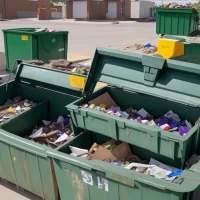
Dumpster diving – a term that often conjures images of treasure hunters sifting through refuse, looking for reusable or sellable items tossed away by others. But as intriguing as it may seem, many people wonder: Is dumpster diving legal in Washington State? The debate has prompted discussions amongst frugal living enthusiasts, environmentalists, and those seeking the thrill of finding a hidden gem in the least expected places.
In Washington State, just like in many other places, the line between legality and illegality when it comes to dumpster diving can be blurry. This comprehensive guide aims to untangle the truth about dumpster diving in The Evergreen State, providing clarity for those looking to explore this activity, all while ensuring a deep understanding of the local laws and regulations.
The Essence of Dumpster Diving in Washington State
Before delving into the legal specifics, it’s essential to understand what dumpster Underwater diving courses entails in the context of Washington State. Dumpster diving is the act of searching through dumpsters, garbage bins, or recycling areas, typically to find items that can be reused or repurposed. This can range from finding food products to salvaging furniture or electronic devices.
Why Do People Dumpster Dive?
There are numerous reasons why individuals might engage in dumpster diving:
- Economic Necessity: Some individuals turn to dumpster diving as a means of obtaining food, clothing, or other necessary items without financial cost.
- Environmental Concerns: To reduce waste, environmentally conscious divers repurpose what might otherwise end up in a landfill.
- Thrill of the Hunt: The excitement of discovering valuable items can be a motivating factor for some divers.
Legal Landscape for Dumpster Diving in Washington
In Washington State, the legality of dumpster diving face split video is not determined by a single statute or regulation. Instead, it’s affected by a variety of laws and ordinances that can vary from one municipality to another. Understanding these laws is crucial for anyone considering dumpster diving as a pastime or necessity.
Trespassing Laws and Dumpster Diving
Trespassing laws are a key factor in the legality of dumpster diving. It’s typically legal to sort through trash that has been placed in a public area for collection. However, if a dumpster is located on private property, diving without permission could constitute trespassing. Always obtain the property owner’s consent before diving into dumpsters on private lands.
- Public Property: Trash in public dumpsters can often be legally accessed.
- Private Property: Get the owner’s consent to avoid trespassing violations.
Anti-Scavenging Ordinances and Enforcement
Local anti-scavenging ordinances may also impact the legality of dumpster diving. Some cities in Washington have enacted laws that specifically prohibit taking items from public or private refuse containers. It’s essential deep meditation for freediving divers to research their local ordinances to ensure they are not in violation.
For Example:
- Seattle: Has specific rules about removing items from public disposal areas.
- Spokane: Might have different regulations regarding waste collection and dumpster access.
Dumpster Diving and the Law: A City-by-City Breakdown
The legalities of missouri dumpster diving laws diving can differ from city to city within Washington State. Here’s a look at how several municipalities approach the issue.
Seattle’s Stance on Dumpster Diving
Seattle, being a significant urban hub, has clear rules regarding waste collection and recycling. Dumpster divers in Seattle need to be aware of the nuances in these laws to ensure they engage in legal diving porn. Some areas are more lenient, while others may pose stricter enforcement of anti-scavenging laws.
Spokane’s Approach to Waste Scavenging
In Spokane, dumpster divers may encounter a more relaxed attitude towards waste scavenging in some districts, but this can vary greatly. As always, checking current local ordinances before embarking on a dive is paramount.
Other Cities in Washington
Each community across the state will have its own rules and attitudes when it comes to is dumpster diving illegal in sc diving. For example, cities like Tacoma and Olympia may offer different levels of accessibility and enforcement related to trash retrieval.
A Dive into Property Rights and Privacy Concerns
While dumpster diving isn’t explicitly illegal in Washington State, property rights and privacy concerns play a significant role in the practice. It is vital to respect the boundary between public and private domains.
Importance of Respect for Property
A dumpster diver must pay attention to signs that indicate private property or restricted access to dumpsters. Ignoring these can lead to legal complications and is seen as a disrespect for property rights. Remember to:
- Check for “No Trespassing” signs.
- Understand property boundaries, even if a dumpster seems accessible.
Privacy Laws and Dumpster Content
Washington State values privacy, including that of discarded items. It’s not uncommon for individuals and businesses to discard sensitive information. Divers should be cautious and morally prudent to avoid rummaging through personal information that can be found in trash contents.
The Unspoken Code of Dumpster Diving Ethics
Aside from legal considerations, dumpster diving adheres to a code of ethics shared among divers. These unwritten rules help promote a safe and respectful environment for all involved.
- Leave No Trace: Respect the site by leaving it cleaner than you found it.
- Take Only What You Need: This minimizes waste and ensures others can benefit.
- Safety First: Wear appropriate attire and avoid taking broken or hazardous items.
Safety Precautions for Dumpster Diving Enthusiasts
Safety cannot be overstated when it comes to dumpster diving. Personal protection should be a diver’s primary concern. Follow these safety tips:
- Wear Protective Clothing: Gloves, sturdy boots, and long sleeves can prevent cuts and infections.
- Have the Right Tools: Bring a flashlight and a stick to sift through contents.
- Be Mindful of Hazards: Watch for sharp objects, chemicals, and unsanitary items.
Conclusion: Finding Clarity in the Gray Areas
Is dumpster diving legal in Washington State? The truth leans more towards a “yes,” with several caveats and cautions to bear in mind. Potential divers must do their homework, respecting property rights, local ordinances, and most importantly, safety and ethics. The adventure of dumpster diving awaits, but it should be undertaken with knowledge and respect for the law and the community.
Dumpster diving in Washington State stands as a testament to the curious spirit of human nature. Whether driven by necessity, environmentalism, or the thrill, understanding and navigating the legal framework is essential for anyone interested in embarking on such an endeavor.
As fascination for dumpster diving continues to burgeon, so too does the importance of engaging in this activity mindfully and legally. By staying informed and upholding respect for the law and one’s fellow citizens, dumpster divers in Washington State can enjoy their modern-day treasure hunting with a clear conscience and, hopefully, with a few less items making their way to the landfill.