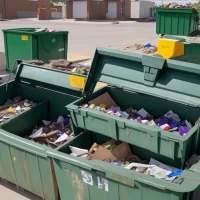
In the quiet after-hours of South Carolina’s bustling streets, a not-so-secretive practice takes place—dumpster diving. Discarded goods, from perfectly edible produce to unused consumer products, beckon treasure hunters and frugal living enthusiasts alike. But the question that silently echoes through the alleyways remains: Is dumpster diving illegal in SC?
The nuances of the law can often be as murky as the bottom of a trash bin. As such, understanding the complexities of South Carolina’s stance on dumpster diving is crucial for anyone looking to explore this gray area without tarnishing their legal record. This guide digs deep into the layers of legality, practicalities, and ethics enveloping the practice, ensuring you emerge with clarity and knowledge.
Legalities of Dumpster Diving in South Carolina
Dumpster diving, the act of salvaging dis dumpster diving legal in marylandcarded items from commercial or residential dumpsters, sits finely balanced on the legal scale in South Carolina. Although no state-wide legislation explicitly bans the practice, numerous factors can ultimately determine its legality.
State Laws and Ordinances
First up is deciphering the patchwork of state laws, local ordinances, and property rights that enthusiasts must navigate. South Carolina has not enacted statewide laws that make dumpster free diving outright illegal. However, whether or not you can legally rummage through a dumpster hinges on a myriad of details.
- Trespassing Laws: Venturing onto private property without permission can quickly tip the scales against you. Dumpster divers must be aware that a dumpster located within private property lines could be off-limits.
- Anti-Scavenging Ordinances: Some municipalities have specific regulations against scavenging to keep streets clean and prevent identity theft.
- Health and Safety Codes: State and local health codes might also impede the act due to concerns over public health risks associated with rummaging through garbage.
Understanding ‘Theft by Finding’
In South Carolina, the legal concept of ‘theft by finding’ might cast a shadow on the seemingly harmless act of dumpster diving. This notion implies that even discarded objects have rightful owners—the original owner or the waste management company. Therefore, you should be wary of taking anything that isn’t clearly meant to be disposed of.
The Ethics Versus Legality of Dumpster Diving
Distinguishing between the ethical implications and the legal boundaries of dumpster diving for self-discovery is paramount. While some view it as a sustainable practice that reduces waste, others might consider it a questionable activity.
Moral Arguments for Dumpster Diving
- Waste Reduction: With staggering amounts of consumables reaching landfills, dumpster diving is often championed for giving a second life to otherwise wasted items.
- Altruism: Many divers donate found items to those in need, positioning dumpster diving as a modern form of altruism.
- Consumerism Commentary: Diving often acts as a silent protest against the throwaway culture, emphasizing the overconsumption and waste society generates.
Legal Context
While the ethical arguments might resonate with many, they hold little weight is dumpster diving illegal in ga the eyes of the law. Dumpster divers should prioritize familiarizing themselves with legal restrictions to avoid any unintended legal consequences.
Navigating the Complexities: Practical Tips
Anyone considering dumpster diving in South Carolina should proceed with caution. Here are some practical pointers to help navigate the intricate legal llsu swimming and divingscape:
- Seek Permission: When possible, obtain permission from property owners before diving into dumpsters on their land.
- Research Local Ordinances: Familiarize yourself with the specific ordinances in the area where you plan to dive.
- Be Discreet and Respectful: Minimize disruptions and maintain the cleanliness of the area to prevent negative attention or complaints.
Dumpster Diving Across South Carolina: A City by City Breakdown
Unraveling the Wonders of the Deep legal acceptance of dumpster diving varies notably from one South Carolina city to another. Let’s dive into a comparative analysis of different cities’ stances.
Charleston
The historic charm of Charleston isn’t just found in its cobblestone streets, but occasionally in its dumpsters too. Still, divers in Charleston should tread lightly, as municipal regulations could constitute a legal blockade the shy beauty and the billionaire beast.
Columbia
Columbia’s diverse dumpsters offer a plethora of possibilities for diving, but again, local laws may spoil the dive. Ensure to investigate the city’s policies regarding waste retrieval before taking the plunge.
Greenville
As Greenville continues to grow, so do its dumpsters’ bounties. However, the city’s growth is mirrored by increased regulation, possibly affecting your dumpster diving endeavors.
Myrtle Beach
The coastal city of Myrtle Beach might be known for its inviting waters, but its dumpsters are not as welcoming. Adherence to local ordinances is crucial to avoid finding yourself in murky waters legally.
What to Avoid When Dumpster Diving in SC
To ensure your dumpster diving experience is free from legal entanglements, there are certain practices you should unequivocally avoid:
- Do not bypass locked dumpsters or signage that prohibits trespassing.
- Never take items that contain personal information, as this could be construed as attempted identity theft.
- Avoid diving in areas where health and safety could be compromised, such as near hospitals or restaurants.
Final Considerations: Reducing Legal Risks
Before embarking on your dumpster diving quests, consider the following steps to reduce your legal risks:
- Research: Conduct thorough research on the current laws and regulations in your intended area.
- Documentation: Keep a log of permissions granted and areas deemed lawful for diving.
- Community Engagement: Join local forums or groups to share information and experiences related to dumpster diving.
In conclusion, while dumpster diving can be seen as a sustainable and mutually beneficial practice, its legality in South Carolina is fraught with ambiguities. Staying informed, seeking permissions, and respecting property lines are your best armor in the quest to remain on the right side of the law. Remember, being an eco-warrior should not come at the cost of becoming a legal outlaw. Happy and legal diving!