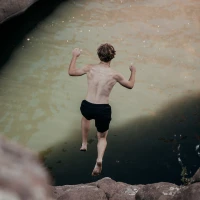
Freediving is an exhilarating sport that connects you deeply with the underwater world. It’s a pure form of diving – just you and your breath, plunging into the abyss. The key to excelling in this serene yet challenging activity lies in the mastery of one’s breath. Effective breathing exercises are essential for freediving; they not only increase lung capacity and efficiency but also enhance mental focus and relaxation, which are crucial for a safe and enjoyable dive. In this comprehensive guide, we will explore various breathing techniques that will take your breath away – quite literally – and prepare you for the depths below.
The Essence of Breathing in Freediving
Breathing is not just an instinct; it’s an art, especially when it comes to freediving. Before we dive into the exercises, it’s essential to understand the impact of proper breathing on freediving performance.
The Role of Oxygen and Carbon Dioxide
- Oxygen (O2) fuels our muscles and organs, especially during physical exertion. In freediving, efficient oxygen use is vital.
- Carbon Dioxide (CO2) is a byproduct of metabolism. A freediver must tolerate higher levels of CO2 to delay the urge to breathe.
The Importance of Diaphragmatic Breathing
Diaphragmatic breathing allows for full oxygen exchange and has a calming effect on the nervous system – fundamentally important for freedivers seeking to conserve oxygen and manage the stress of deep dives.
Pre-Dive Preparations: Breathing Exercises for Land
Prior to diving, it’s crucial to practice breathing exercises on land. These techniques prime your body for the underwater experience, improve lung capacity, and train your body to handle high CO2 levels.
Static Apnea Tables
Static apnea tables are designed to improve breath-hold times by building tolerance to CO2 and increasing O2 capacity.
- CO2 Table: Focuses on decreasing the breathing intervals, helping your body adapt to higher CO2 levels.
- O2 Table: Focuses on increasing breath-hold times, training your body to use oxygen more efficiently.
Pranayama: The Yogic Breath
This ancient yogic practice involves various breathing techniques that can be invaluable for freedivers.
- Ujjayi Breath: Strengthens the respiratory system and helps to warm up the body.
- Nadi Shodhana: Enhances concentration and calms the mind.
Breathing Techniques for Water Training
Once you’ve prepared on land, it’s time to translate those skills into the water. Practicing in the pool can mimic conditions you’ll face in open water.
Dynamic Apnea
Dynamic apnea involves swimming underwater for as long as possible on a single breath.
- Benefits: Builds endurance and breath-hold capacity.
- Practice: Focus on efficient strokes and glide to conserve oxygen.
The Frenzel Maneuver
The Frenzel Maneuver is a technique to equalize the ears efficiently, which is critical to avoid barotrauma as you descend.
- Benefits: Saves oxygen as it requires less effort than the Valsalva maneuver.
- Practice: Can be rehearsed on land or in shallow water before attempting deeper dives.
Boosting Lung Capacity: Exercises to Go Deeper
The ability to hold your breath for extended periods of time is crucial. Here are exercises specifically designed to enhance lung volume.
Rib Cage Stretching
- Benefits: Increases thoracic flexibility, allowing the lungs to expand more.
- Practice: Use yoga or specific stretching routines targeting the intercostal muscles.
Breath Holding Squats
- Benefits: Trains the body to operate under heightened CO2 levels.
- Practice: Perform squats while holding your breath to simulate the exertion of a dive.
Plyometric Training
- Benefits: Improves cardiovascular fitness and lung capacity.
- Practice: Include high-intensity interval training (HIIT) with exercises like burpees or box jumps.
Deep Relaxation: The Mental Aspect of Freediving
Stress and anxiety can deplete oxygen faster. Mastering the mental game is just as critical as physical training.
Visualization Techniques
- Benefits: Reduces anxiety and prepares the mind for the challenges of a deep dive.
- Practice: Picture each stage of the dive, focusing on feeling calm and in control.
Meditation and Mindfulness
- Benefits: Enhances focus and aids in CO2 tolerance.
- Practice: Daily meditation can help maintain a steady heartbeat and a calm state of mind during dives.
Nutrition and Hydration: Foundations for Optimal Breathing
Proper diet and hydration play a significant role in maximized breathing performance.
Balanced Diet
- Benefits: A diet rich in antioxidants and anti-inflammatory foods can boost overall respiratory health.
- Practice: Incorporate fruits, vegetables, lean proteins, and healthy fats into daily meals.
Hydration
- Benefits: Dehydration can thicken blood and reduce its ability to transport oxygen.
- Practice: Drink plenty of water throughout the day, especially before diving sessions.
Safety First: Monitoring Your Progress and Health
Safety should be the top priority for any freediver. Monitoring your progress and health ensures that you’re training effectively and sustainably.
Keeping a Dive Log
- Benefits: Tracks progress and helps identify areas for improvement.
- Practice: Log details like max depth, water conditions, and how you felt during each dive.
Regular Health Check-Ups
- Benefits: Ensures that you are physically fit to dive and have no underlying conditions that could be exacerbated by freediving.
- Practice: Undergo physical examinations, especially for cardiovascular and pulmonary health.
Comparison Chart for Breathing Exercises
| Exercise | Benefit | Practice Frequency | Duration |
|---|---|---|---|
| Static Apnea Tables | Increase CO2 tolerance, enhance O2 capacity | Daily | 30-60 mins |
| Pranayama | Improve respiratory strength, concentration, and mental calmness | 3-4 times a week | 15-30 mins |
| Dynamic Apnea | Build endurance and breath-hold capacity | 2 times a week | 30-45 mins |
| Rib Cage Stretching | Expand lung volume and flexibility | Daily | 10-15 mins |
| Breath Holding Squats | Train body under high CO2 levels | 3 times a week | 20-30 mins |
Final Thoughts on Breathing for Freediving
Effective breathing exercises are the foundation of success in freediving. They help in extending the breath-hold, managing the pressure underwater, and ensuring that each dive is a step towards improvement rather than a risk. Always prioritize safety, listen to your body, and incrementally push your limits.
Freediving is not just a sport; it’s a journey into the self, through the calmness of the underwater realm. The discipline of effective breathing will not only take your breath away, it will also give you access to new depths, both within the ocean and within yourself.