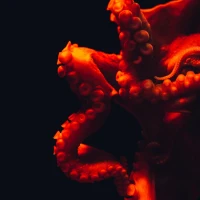
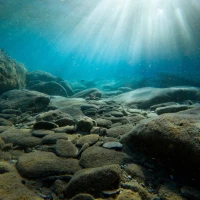
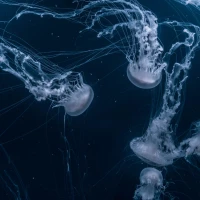
The ocean is a world of mystery and majesty, a place where the wonders of nature blend seamlessly with the thrill of exploration. For divers around the globe, the allure of the deep blue is a calling that is impossible to ignore. There is something magical about descending into the silence of the ocean, encountering ecosystems teeming with life and color that are unknown to the average person. Welcome to the diver’s almanac – an extensive guide providing you with an overview of 23+ exquisite diving destinations for authentic marine exploration. Whether you’re a seasoned pro or a beginner eager to explore the world beneath the waves, this guide is your ticket to unforgettable underwater escapades.
Unveiling the Hidden Jewels of the Ocean
The Art of Diving Discovery
Diving isn’t merely a sport – it’s an art form that allows us to witness the poetry of the ocean’s depths. Explorers of this aquatic canvas will find themselves immersed in landscapes of vibrant corals, enigmatic wrecks, and marine creatures that defy the imagination. As we traverse these underwater realms, it is our privilege to observe and cherish the marine environment, leaving only bubbles behind.
1. The Mesmerizing Barrier Reefs
- Great Barrier Reef, Australia: The largest coral reef system in the world is a siren call to divers with its clear waters, abundant marine life, and extensive diversity.
- Belize Barrier Reef, Belize: This UNESCO World Heritage Site is renowned for its stunning atolls and the famous Great Blue Hole, offering a distinct diving experience.
2. The Fascinating Shipwrecks
- SS Thistlegorm, Red Sea: Remnants of history lay submerged as the SS Thistlegorm offers divers a peek into the past, making it an undersea museum of wartime artifacts.
- USS Oriskany, USA: Off the coast of Florida, the USS Oriskany, known as the Great Carrier Reef, is an artificial reef creating a habitat for marine life and a playground for divers.
3. Thrilling Drift Dives
- Cozumel, Mexico: Known for its swift currents, Cozumel is the location for divers seeking the adrenaline rush of drift diving amidst spectacular marine life.
- Palau: The strong currents of Palau’s channels promise an exhilarating ride through a kaleidoscope of marine biodiversity.
Exhilarating Marine Life Encounters
Venturing underwater brings you face-to-face with creatures straight out of a dream. Whether it’s the gentle giants of the sea or the microscopic miracles that thrive within these waters, each dive site offers an exclusive peek into the lives of ocean dwellers.
Sharks and Rays
- Cocos Island, Costa Rica: Dive with scalloped hammerhead sharks in the breathtaking seascapes of this remote Pacific island.
- Maldives: Known for their manta ray cleaning stations, the Maldives offers a ballet of rays performing their ethereal dance for awestruck divers.
Macro Marvels
- Lembeh Strait, Indonesia: A paradise for macro photographers, Lembeh Strait is a treasure trove of peculiar and tiny critters.
- Anilao, Philippines: Underline the vivid, tiny treasures of Anilao where every nook and cranny hides a wonder, making it ideal for macro aficionados.
A Diver’s Sanctuary: The Top Diving Spots for Marine Exploration
Diving is more than just an activity; it is an insight into a transformed world, a sanctuary where divers can embrace the infinite beauty of the marine ecosystems. Here, we present you with a comparison chart showcasing a curated selection of top diving destinations inclusive of key characteristics that set each location apart.
| Dive Site Location | Unique Selling Points (USPs) | Depth Range | Best Time to Visit | Marine Life Highlights |
|---|---|---|---|---|
| Great Barrier Reef, Australia | World’s largest coral reef | 5-40m | June-Nov | Minke whales, clownfish |
| Belize Barrier Reef, Belize | Home to the Great Blue Hole | 5-40m | April-June | Nurse sharks, eagle rays |
| SS Thistlegorm, Red Sea | Iconic WWII wreck | 15-30m | May-Oct | Jackfish, batfish |
| Cozumel, Mexico | Drift diving paradise | 10-30m | May-Sept | Hawksbill turtles, moray eels |
| Cocos Island, Costa Rica | Pelagic species abundance | 10-30+m | June-Dec | Hammerhead sharks, dolphins |
| Maldives | Manta ray haven | 5-30m | Nov-April | Whale sharks, manta rays |
| Lembeh Strait, Indonesia | Macro photography hotspot | 5-25m | April-Dec | Frogfish, nudibranchs |
Sustainable Diving: Ensuring Tomorrow’s Adventures
Safeguarding Marine Biodiversity
As the custodians of the ocean, divers have a solemn responsibility to protect and preserve the marine environment for future generations. Implementing sustainable diving practices is no longer a choice but an obligation to ensure that each splash we make is a step towards the conservation of our shared blue planet.
Diplomacy with Marine Life
- Avoid touching or disturbing the coral reefs and marine species; they are fragile and easily damaged.
- Understand and respect the local regulations of dive sites to ensure the protection of marine habitats.
Eco-Friendly Diving Operators
- Support local eco-friendly diving operators who are committed to sustainable tourism and the longevity of dive sites.
Envisioning the Future of Diving
The future of diving depends on our actions today. By actively participating in, and advocating for, ocean conservation, divers can help safeguard the integrity of our oceans. Education, research, and a collective drive for change are essential components for ensuring that the future of diving remains bright and bountiful.
The Diving Gear Essentials: Suit Up for an Unparalleled Journey
Choosing the Right Equipment
Diving is an equipment-dependent sport, and selecting the right gear is crucial for a safe and enjoyable experience. Whether you’re hovering over a vibrant coral garden or navigating through the eerie silence of a sunken ship, your gear is your lifeline.
- Wetsuits and Drysuits: Depending on the water temperature, choose a wetsuit that provides comfort and warmth or a drysuit for colder environments.
- BCD (Buoyancy Control Device): A BCD that fits properly is key for maintaining buoyancy control throughout your dive.
- Regulators: Ensure that regulators are serviced regularly for optimal performance and safety.
Diving Innovations: Keeping Up with Technology
Technological advancements in diving equipment have transformed the way we explore underwater realms. With innovations such as rebreathers, dive computers, and underwater scooters, the experience of diving is becoming both safer and more accessible.
- Dive Computers: A necessary tool for monitoring dive time and depth, and managing decompression stops effectively.
- Underwater Cameras: Capture and share the stunning beauty of underwater landscapes and marine life.
Final Thoughts: Embracing the Diver’s Almanac
Diving is a journey of constant discovery, where every plunge into the ocean reveals new secrets and sights. With this robust almanac at your disposal, you are equipped with the knowledge to embark on breathtaking dives across some of the world’s most exquisite underwater havens.
As we look to the horizon where the sea meets the sky, we are reminded that the call of the deep is relentless. Each ripple and wave a testament to the grandeur that lies beneath. For those who heed the call, know that the ocean’s embrace is eternal, its mysteries boundless. Suit up, dive in, and become one with the aquatic world, for it is there that true adventures lie. Embrace the diver’s almanac and forge your path through the enchanting depths of our planet’s final frontier.