Are you ready to take a dive into the breathtaking world beneath the surface? Free diving, also known as breath-hold diving, offers a unique opportunity to explore the abyss without the confines of cumbersome scuba gear. In this article, we will delve into the exhilarating realm of free diving, highlighting 43+ incredible locations where you can embark on underwater adventures. Whether you’re a seasoned free diver or a beginner eager to plunge into the depths, we’ve got you covered. Join us as we explore the wonders that lie beneath the waves.
The Thrill of Free Diving
What is Free Diving?
Free diving is a captivating sport that allows you to explore the underwater world using only breath-holding techniques. Unlike scuba diving, which requires the use of tanks and other equipment, free diving relies solely on the diver’s ability to hold their breath.
The Benefits of Free Diving
Free diving not only offers an incredible adrenaline rush but also provides numerous physical and mental benefits. Here are some of the advantages of practicing this exciting sport:
-
Improved Cardiovascular Health: Free diving requires controlled breathing techniques, which can enhance lung capacity and promote cardiovascular fitness.
-
Increased Mental Clarity: When you’re submerged underwater, the absence of distractions allows you to enter a meditative state, promoting mental relaxation and clarity.
-
Connection with Nature: Exploring the depths of the ocean offers a profound connection with nature, allowing you to witness stunning marine life and ecosystems up close.
-
Stress Relief: Just like any physical activity, free diving triggers the release of endorphins, reducing stress levels and promoting a sense of well-being.
-
Enhanced Breath-Holding Capacity: Free divers learn to improve their breath-holding abilities through specialized training techniques, which can be beneficial in everyday life.
The Best Free Diving Locations
Now that we’ve explored the allure of free diving, let’s take a look at some of the top destinations around the world where you can indulge in this thrilling sport. From crystal-clear waters teeming with vibrant marine life to submerged caves waiting to be discovered, these locations offer awe-inspiring experiences freediving tips for beginners divers of all levels.
1. Great Blue Hole, Belize
Located off the coast of Belize, the Great Blue Hole is a renowned diving destination that attracts adventurers from all corners of the globe. This natural wonder is a giant sinkhole, measuring over 300 meters in diameter and 125 meters in depth. Free divers can explore the stunning underwater limestone formations and encounter an array of marine species, including reef sharks and vibrant coral reefs.
2. Dean’s Blue Hole, The Bahamas
As the world’s deepest blue hole, Dean’s Blue Hole in the Bahamas is a paradise for free divers seeking an adrenaline-pumping experience. With a depth of over 202 meters, this captivating site features crystal-clear waters that offer unparalleled visibility. Divers can venture into the abyss and witness the diverse marine life that calls this underwater wonderland home.
3. Blue Grotto, Malta
Malta is home to the mesmerizing Blue Grotto, an intricate network of sea caves that beg to be explored. Free divers can discover the captivating beauty of these underwater caves, with their vibrant blue waters and stunning rock formations. The Blue Grotto is a haven for photography enthusiasts, who will be captivated by the interplay of light and shadows within these submerged caverns.
4. Silfra Fissure, Iceland
Located in the heart of Iceland’s Thingvellir National Park, the Silfra Fissure offers a free diving experience like no other. This mesmerizing site is situated between the Eurasian and North American tectonic plates, providing divers with the opportunity to swim between two continents. The crystal-clear waters of Silfra, boasting visibility of up to 120 meters, allow divers to explore the majestic underwater landscapes with unparalleled clarity.
5. Sipadan Island, Malaysia
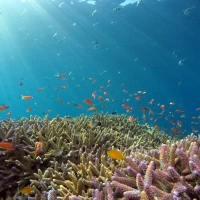
Sipadan Island is a true gem located in Malaysia’s Borneo region. This idyllic island is renowned for its pristine dive sites, teeming with an abundance of marine life. free diving guide divers will be captivated by the thriving coral reefs and the opportunity to encounter turtles, reef sharks, and schools of colorful fish. With its crystal-clear waters, Sipadan Island offers an unforgettable free diving adventure.
…
Free Diving Equipment and Safety
Equipment for Free Diving
When engaging in free diving, it is essential to have the right equipment to ensure your safety and optimize your experience. While free diving requires much less gear compared to scuba diving, there are a few key pieces of equipment that are essential for any free diver:
-
Mask: A high-quality diving mask is crucial for clear vision and equalizing pressure in your ears.
-
Fins: Free diving fins, also known as long fins or monofins, provide thrust and efficiency in the water, allowing you to conserve energy during your dives.
-
Wetsuit: Although not always necessary, a wetsuit can provide thermal insulation and protection from abrasions.
-
Weight Belt: A weight belt is essential for maintaining neutral buoyancy underwater and can be adjusted to suit different diving conditions.
-
Dive Computer: To ensure your safety during dives, a dive computer can track various data, such as depth and dive time, and provide critical information on decompression limits.
Safety Tips for Free Diving
While free diving can be an exhilarating experience, it is important to prioritize safety at all times. Here are some safety tips to keep in mind when engaging in this sport:
-
Never Dive Alone: Always dive with a buddy who is experienced in free diving and can provide assistance if needed.
-
Know Your Limits: Be aware of your abilities and never push yourself beyond what you are comfortable with. Gradually build up your skills and depth over time.
-
Learn Proper Techniques: Proper breath-holding techniques and equalizing your ears are crucial for a safe and enjoyable free diving experience. Seek guidance from a certified instructor to learn these techniques correctly.
-
Stay Hydrated: Proper hydration is essential before, during, and after free diving. Dehydration can increase the risk of shallow water blackout—a potentially dangerous condition.
-
Be Mindful of Depth and Time: Always keep track of your depth and time spent underwater to avoid exceeding safe limits.
By following these safety guidelines and utilizing proper equipment, you can ensure a safe and unforgettable free diving adventure.
Conclusion
Embarking on a free diving expedition allows you to unlock the secrets of the underwater world and connect with nature in a way like no other. Whether you’re exploring the mesmerizing Blue Grotto in Malta or diving into the depths of the Great Blue Hole in Belize, each location offers a unique and unforgettable experience.
Remember, free diving requires discipline, training, and respect for the ocean. Prioritize safety, engage in regular practice, and always dive with a buddy. As you plunge into the depths and explore the submerged wonders, allow yourself to be captivated by the awe-inspiring beauty that awaits you.
So, what are you waiting for? Dive into the world of free diving and embark on an extraordinary underwater adventure.