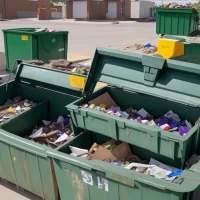
Have you ever found yourself fascinated by the art of dumpster diving? Maybe you’ve watched videos of people uncovering treasures in trash bins or heard stories of incredible finds discarded by retailers. The activity, which involves the search for useful or valuable items in dumpsters, has gained a dedicated following both as a hobby and a means of sustainable living. However, for those residing in or visiting North Carolina, a critical question arises: Is dumpster diving illegal in this southeastern state?
The legality of dumpster diving in North Carolina is a multi-faceted issue, and understanding the nuances can save you from unforeseen legal consequences. While this practice can unearth perfectly good items cast off by others, it is imperative to recognize the rules and regulations that govern it.
The Legal Framework of Dumpster Diving in North Carolina
Before army diving badge into the dumpsters of North Carolina, let’s unravel the legal tapestry that covers this practice. Dumpster diving sits in a grey area of the law – not entirely forbidden yet not explicitly allowed, with various stipulations shaping its legitimacy.
Federal Laws Impacting Dumpster Diving
At the federal level, the landmark case California vs. Greenwood set a precedent that has implications for dumpster divers across the United States. The Supreme Court ruled that once trash is placed at the curb for collection, it becomes part of the public domain, suggesting that retrieving items from such trash may not constitute theft. However, this does not necessarily grant carte blanche to dumpster divers in North Carolina.
State Laws and Municipal Ordinances
It is crucidive like a prol to consider state-specific statutes and local ordinances which might differentiate from federal rulings. In North Carolina, trespassing laws are particularly relevant. Entering private property, which includes commercial dumpsters behind stores or residential trash areas, without permission can be considered trespassing, even if your intention is simply to salvage discarded items.
Furthermore, local health and safety codes may influence the legality of dumpster diving for self-awareness. If an individual’s actions are seen as a threat to public health or if scavenging leads to littering, they might face fines or other penalties.
Understanding Trespassing Laws in Relation to Dumpster Diving
The Importance of Property Rights
In North Carolina, property rights are taken seriously. Dumpster diving might seem harmless, but if a dumpster is located on private property or if signs prohibiting trespassing are clearly displayed, divers can face legal ramifications.
Avoiding Legal Trouble When Dumpster Diving
To avoid potential trespassing charges while dumpster free diving, it is essential to:
- Seek permission from property owners or managers.
- Pay attention to signage that forbids trespassing or diving.
- Be aware of fences, locked gates, or other barriers that signal private property.
Navigating Dumpster Diving Legality in North Carolina Cities
City ordinances in North Carolina can vary widely, which means that dumpster diving may be more restricted in some cities than others. For would-be divers, understanding the specific rules of each city is key.
Known Restrictions in Major Cities
- Charlotte: Be mindful of city codes that might address scavenging and waste removal.
- Raleigh: Check local ordinances for any specified protocols on handling waste and retrieval from trash receptacles.
The Ethics and Etiquette of Dumpster Diving
Apart from legal considerations, dumpster free diving guide comes with an unwritten code of conduct. Respecting these norms helps maintain a positive image for the dumpster diving community.
Keeping Sites Clean and Undisturbed
Ethical divers always:
- Leave sites cleaner than they found them.
- Carefully sort through items without causing a mess.
- Respect the privacy and property of businesses and individuals.
A Comparison Chart of Dumpster Diving Rules
To provide a clearer picture, let’s examine the regulations in a few North Carolina cities:
| City | Trespassing Regulations | Scavenging Restrictions | Additional Notes |
|---|---|---|---|
| Charlotte | Enforced strictly | Yes | Requires waste container permits |
| Raleigh | Strictly enforced | Unspecified | Mandates clear passage of sidewalks |
| Greensboro | Moderate | Rare | Encourages recycling efforts |
| Durham | Moderate | Some restrictions apply | Focus on waste reduction initiatives |
The table highlights the importance of understanding varying local laws and shows that while dumpster diving isn’t uniformly regulated, caution and respect for all laws and ordinances must be the diver’s guide.
Tips for Safe and Legal Dumpster Diving in North Carolina
Those looking to explore the world of dumpster diving while mitigating legal risks should consider the following tips:
- Always ask for permission: Securing permission from property owners can protect you from trespassing charges.
- Conduct thorough research: Familiarize yourself with local ordinances in the area where you plan to dive.
- Be discreet: Conduct your diving expeditions with minimal disruption to businesses and residents.
The Risks and Rewards of Dumpster Diving
Unearthing Potential Treasures
The rewards of dumpster diving can be significant, with individuals finding items ranging from food products to electronics. The thrill of the hunt and the potential for valuable finds keep divers coming back for more.
Weighing the Risks
Yet, the risks remain. Confrontations with law enforcement, potential harm from unsafe items, and the possibility of trespassing charges are all factors that require careful consideration.
Final Thoughts on Dumpster Diving Legality in North Carolina
In summary, dumpster diving in North Carolina rides the line between legality and potential law infringement. Divers must be informed, cautious, and ethical to ensure their hobby or lifestyle choice does not lead to detrimental consequences. The act of dumpster diving itself is not a clear-cut legal issue, but the surrounding circumstances—property rights, trespassing laws, and city regulations—frame its permissibility.
With the proper knowledge and approach, dumpster diving in North Carolina can be a rewarding and environmentally beneficial pursuit. Always remember to dive with respect for the law and consideration for the community. Happy hunting!